The Ria Formosa is one of the richest and most biodiverse ecosystems in Europe. A 60 km lagoon system between Ancão and Cacela Velha, home to hundreds of species of birds, fish, molluscs and aquatic plants.
What is the Ria Formosa?
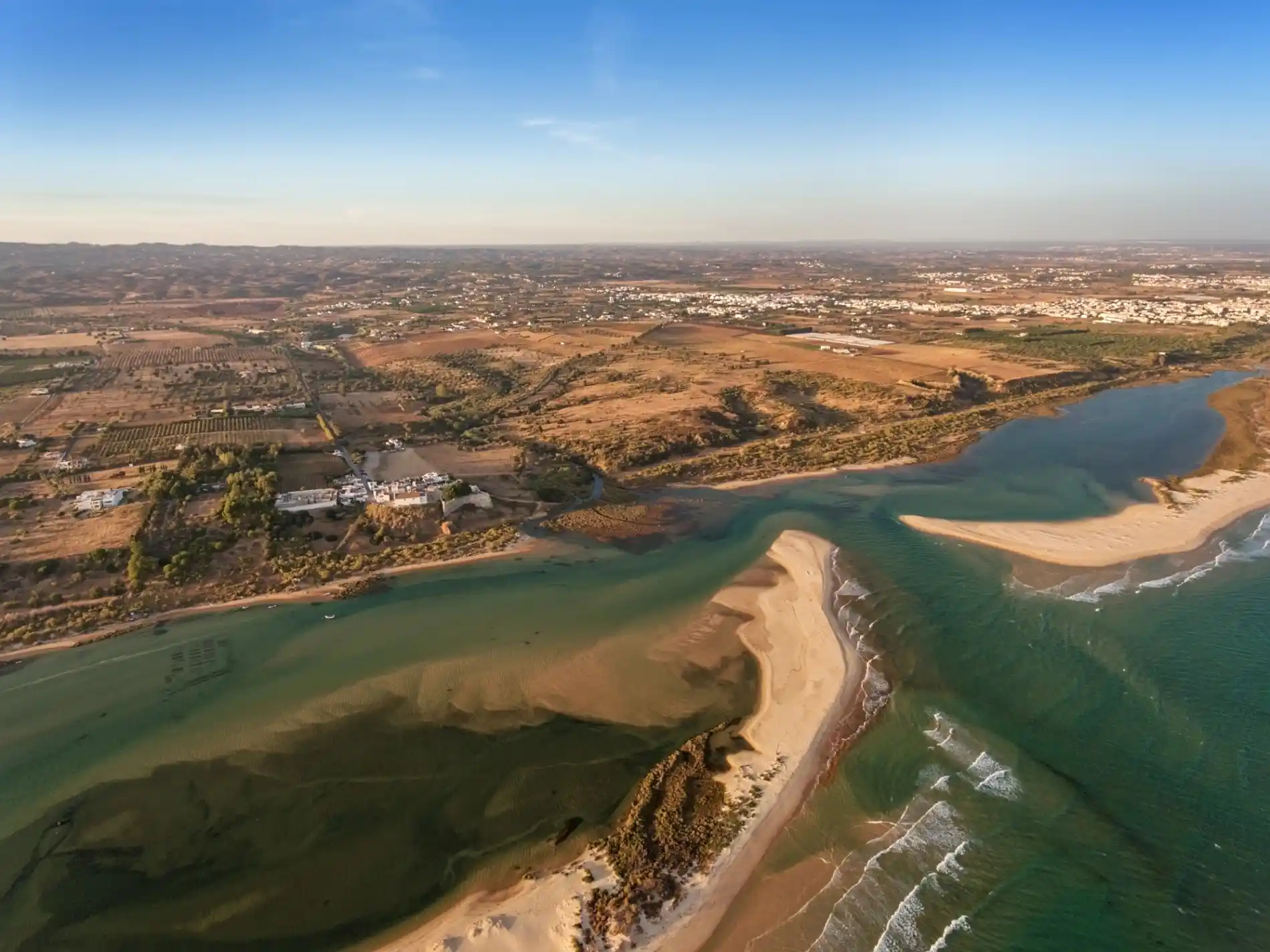
The Ria Formosa is a protected lagoon system classified as a Natural Park since 1987. It stretches along 60 km of coast, between the municipality of Loulé and Vila Real de Santo António, and is made up of a series of barrier islands, channels, salt marshes, islets and salt pans.
This system is constantly changing: the barrier islands move slowly over the centuries, the channels shift their beds and the tides redraw the landscape twice a day. It is a living, dynamic and fragile ecosystem.
Cacela Velha sits right at the eastern edge of the ria — the wildest and least visited area. This is where the Natural Park ends and where the lagoon meets the Atlantic most dramatically.
Flora and Fauna
The biological diversity of the Ria Formosa is impressive for an area of only 18,000 hectares:
Birds (270+ species)
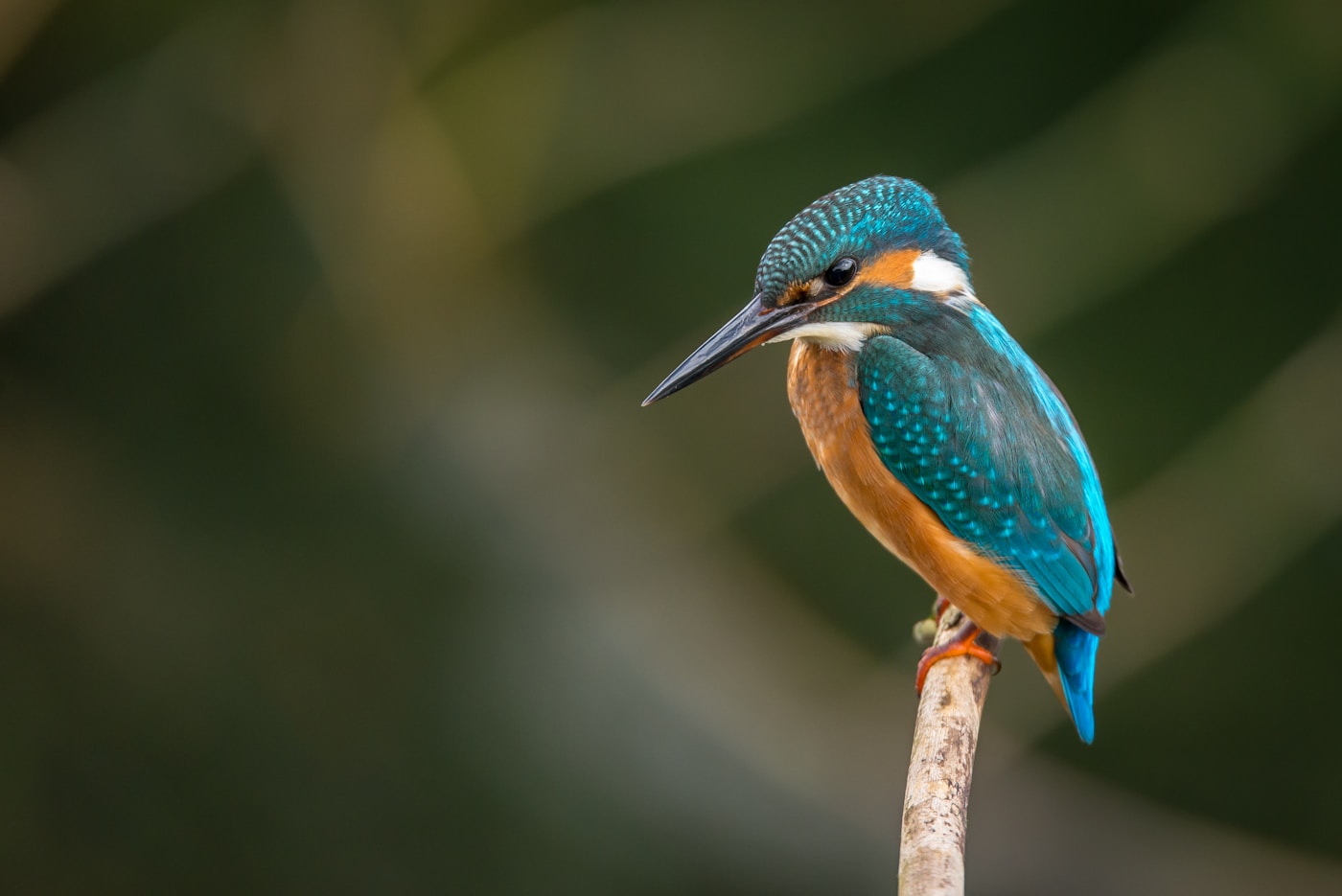
The greater flamingo, grey heron, black-winged stilt, godwit, turnstone and cormorant are regular residents. In winter, the ria hosts thousands of migratory birds from northern Europe.
Fish and Shellfish
The lagoon is a nursery for dozens of commercial species: gilt-head bream, sea bass, sole, clams, cockles, oysters and octopus. This is where much of the seafood that supplies Algarve restaurants comes from.
Aquatic Flora
The salt marshes are dominated by cordgrass, glasswort and wild asparagus. In the deeper areas, extensive seagrass meadows (Zostera) grow, essential to the ria's food chain.
Other Animals
Otters, chameleons (a rare, protected species), grass snakes, dolphins and turtles are regularly seen in the quietest parts of the ria.
How to Explore the Ria
The best way to explore the Ria Formosa is from the water. The options are varied:
Kayak
The most popular activity. It lets you explore narrow channels that larger boats cannot reach. Kayaks can be hired in Faro, Olhão, Tavira and Manta Rota. A trip at sunrise (before 8am) is especially rewarding — the light is golden and the birds have not yet flown off.
Boat Trip
Guided boat trips are a good way to learn about the ecosystem while you travel. They depart from Faro, Olhão and Tavira. Many include a stop on the islands for a swim.
See available tours on GetYourGuide →Birdwatching
Summer brings the nesting species; winter attracts the migratory ones. Bring binoculars and head to Ludo (Faro) or the Cacela Velha salt pans for the best sightings. Best time: at sunrise and sunset.
Walking the Islands
The Cacela Velha island (the sand barrier in front of the village) can be explored on foot after crossing the ria by boat. There are no facilities — bring water and sun cream, and respect the wildlife.
Rules and Good Practice
The Ria Formosa is a protected natural park. Your visit should be guided by respect for the ecosystem:
- Do not leave litter — neither on the beach nor in the channels.
- Do not collect shellfish, shells or animals (it is forbidden without a licence).
- Do not enter marked nesting areas (usually signposted from March to August).
- Do not light fires on the barrier beach.
- When kayaking, keep your distance from flocks of birds or groups of dolphins.
Best Time to Visit
The Ria Formosa is extraordinary at any time of year. Spring (March–May) for the blooming salt marshes and the first nesting birds. Summer for swimming at the islands and sunrise kayaking. Autumn–Winter for the most spectacular birdwatching, with flamingos and migratory birds in large numbers.